
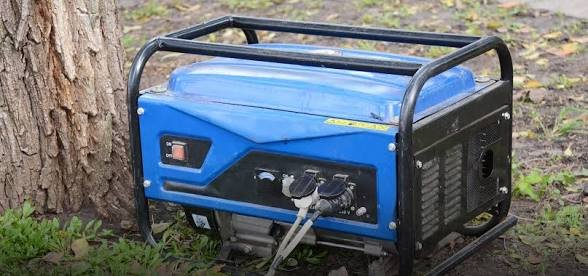
Generators are widely used in Pakistan to provide backup electricity when the main power supply is interrupted. Homes, offices, shops, factories, schools, hospitals, restaurants, warehouses, and other businesses may depend on generators to keep essential equipment running during power outages.
A generator can be useful, but it also introduces additional safety risks. Fuel, hot engine components, electrical connections, exhaust gases, and poor ventilation can all create dangerous conditions if the equipment is not installed, operated, and maintained correctly.
Generator safety should therefore be treated as part of a complete fire and electrical safety plan. A business should not rely on a generator alone to protect essential systems. Fire detection, emergency procedures, suitable firefighting equipment, electrical protection, ventilation, and regular maintenance all have important roles.
The Pakistan Engineering Council lists the Building Code of Pakistan Fire Safety Provisions 2016 and the Pakistan Electric and Telecommunication Safety Code 2014 among its published safety codes. The Building Code also contains specific provisions concerning generator rooms and fire separation in certain building situations.
Why Generator Safety Matters
Generators combine several potential hazards in one piece of equipment.
A fuel-burning generator produces exhaust gases and becomes hot during operation. It also contains electrical components that can present shock or fire risks when incorrectly installed, overloaded, damaged, or exposed to unsuitable conditions.
The U.S. Occupational Safety and Health Administration warns that portable generators should never be operated indoors or in enclosed spaces because of carbon monoxide exposure. It also identifies fuel ignition, hot engine parts, electrical hazards, and other risks associated with generator use.
For businesses in Pakistan, these concerns are particularly important because generators are often used as backup power during long electricity interruptions.
Good generator safety begins before the machine is switched on.
1. Choose the Right Generator for the Application
Not every generator is suitable for every building or business.
The required generator depends on factors such as:
- The electrical load
- The type of equipment being powered
- The location of the generator
- The expected operating conditions
- Ventilation requirements
- Fuel type
- Building design
- Applicable electrical and fire-safety requirements
A generator that is too small for the intended load may become overloaded. A generator that is unnecessarily large may create additional fuel, space, maintenance, and installation considerations.
Businesses should have generator systems properly assessed and installed by qualified professionals.
The goal is not simply to obtain backup electricity. The system should operate safely as part of the building’s overall electrical infrastructure.
2. Keep Generators in a Suitable Location
Location is one of the most important parts of generator safety.
A fuel-burning generator should never be operated inside an office, shop, warehouse, basement, garage, or other enclosed area unless the equipment is specifically designed and installed for that environment under applicable requirements.
Carbon monoxide is particularly dangerous because it is colorless and odorless. The U.S. Consumer Product Safety Commission warns that portable generators should be operated outdoors and away from doors, windows, vents, and other openings.
A generator should also have adequate clearance and ventilation according to the manufacturer’s requirements and the building design.
For commercial properties, the generator room or installation area may need specific fire-resistance and separation measures. Pakistan’s Building Code of Pakistan Fire Safety Provisions includes generator rooms in its fire-separation provisions.
This is why generator placement should be planned during building design or reviewed by a qualified professional rather than decided simply on the basis of available space.
3. Never Ignore Carbon Monoxide
Carbon monoxide, commonly called CO, is one of the most serious hazards associated with fuel-burning generators.
It is produced during combustion and cannot be reliably detected through smell or sight.
A generator running in an enclosed or poorly ventilated space can allow CO to accumulate. Opening a door or window does not automatically make an enclosed location safe.
OSHA specifically advises against using generators indoors and recommends keeping them away from doors, windows, and vents.
Businesses should also consider suitable carbon monoxide detection where required or appropriate for the building and equipment arrangement.
Employees should understand that exhaust exposure is not simply an unpleasant smell. It can represent a serious health emergency.
If people in an area experience symptoms that could indicate carbon monoxide exposure, they should move to fresh air and seek appropriate emergency assistance rather than remaining in the affected area.
4. Keep Combustible Materials Away
Generators can become very hot during operation and may remain hot after they have been switched off.
Fuel or other combustible materials coming into contact with hot components can create a fire hazard. OSHA specifically identifies the combination of hot generator components and spilled fuel as a fire risk.
For this reason, businesses should avoid storing unnecessary combustible materials around generator equipment.
The generator area should not become a general-purpose storage room for:
- Cardboard boxes
- Paper
- Packaging
- Cleaning materials
- Waste
- Cloth
- Other combustible items
Keeping the area organized also makes inspections and maintenance easier.
5. Inspect Fuel and Electrical Components
Regular inspection is a basic part of generator safety.
Businesses should arrange appropriate inspections of components such as:
- Fuel systems
- Fuel lines
- Electrical connections
- Cables
- Batteries
- Exhaust systems
- Cooling systems
- Protective devices
- Ventilation arrangements
Flame Defender also recommends checking generator fuel lines, fuel tanks, electrical connections, exhaust systems, cooling systems, batteries, cables, and ventilation as part of wider fire-equipment maintenance.
Any damaged component should be assessed and repaired by a suitably qualified person.
Employees should not attempt electrical or mechanical repairs simply because the problem appears minor.
6. Avoid Electrical Overloading
A generator must be matched to the electrical load it is expected to supply.
Overloading can cause overheating and may increase fire risk. OSHA’s generator guidance specifically warns against overloading generators because overheating can create a fire hazard.
Businesses should understand which equipment is intended to operate from backup power and make sure the electrical system is appropriately designed.
Important systems may include:
- Emergency lighting
- Fire alarm systems
- Security systems
- Communication equipment
- Essential medical equipment
- Computer systems
- Refrigeration
- Selected machinery
The exact backup requirements depend on the building and its use.
A qualified electrician or electrical engineer should assess the installation rather than employees connecting equipment based on guesswork.
7. Never Use Unsafe Electrical Connections
A generator should be connected to a building’s electrical system through an appropriately designed installation.
Improper connections can create electric shock hazards and may also create risks for utility workers.
OSHA warns against connecting a generator directly to a structure’s electrical system unless an appropriate transfer switch has been installed by a qualified electrician.
This is especially important for businesses where generators may be connected to large electrical systems.
Electrical installations should follow applicable requirements and manufacturer instructions.
A temporary solution that appears convenient can create a serious hazard if it bypasses the building’s protective systems.
8. Keep the Generator Dry
Electricity and water are a dangerous combination.
Generators and their electrical connections should be protected from rain, standing water, flooding, and unnecessary moisture.
OSHA advises keeping generators dry and not operating them in wet conditions.
This is particularly relevant in Pakistan during the monsoon season, when heavy rainfall and flooding can create additional electrical hazards.
The generator installation should therefore be planned with local weather conditions in mind.
Businesses should also ensure that drainage around equipment is appropriate and that water cannot easily accumulate in the generator area.
9. Fire Protection Should Surround the Generator System
Generator safety should not be considered separately from fire protection.
A generator room or installation area may require suitable fire protection based on the building design, equipment, fuel arrangement, and applicable requirements.
The Building Code of Pakistan Fire Safety Provisions includes generator rooms among areas for which fire separation may be specified depending on the building’s protection arrangements.
A complete fire protection strategy can include:
- Fire detection
- Fire alarm systems
- Suitable fire extinguishing equipment
- Emergency lighting
- Fire-resistant construction where required
- Clear escape routes
- Emergency procedures
- Regular inspections
- Employee training
This layered approach is much safer than depending on one device.
10. The Role of a Fire Alarm System in Pakistan
A generator provides electricity, but it does not provide fire detection.
That is where a suitable fire alarm system in Pakistan can become an important part of a building’s overall safety strategy.
Fire alarm systems are designed to detect signs of fire through suitable detection devices and alert occupants through audible or visual notification systems.
For buildings that depend on generators for emergency or backup power, the relationship between the electrical system and life-safety systems should be considered during system design.
The Building Code of Pakistan includes provisions for emergency power systems in certain occupancies and identifies fire alarm systems among systems that may require emergency power in specified situations.
This does not mean every building has identical generator or fire-alarm requirements. The applicable provisions depend on the building’s occupancy, design, systems, and relevant regulations.
Professional assessment is therefore important.
11. Do Not Block Emergency Exits
Generator equipment should never be positioned in a way that interferes with escape routes.
During a fire or other emergency, people need to be able to leave the building quickly.
The Building Code of Pakistan Fire Safety Provisions contains requirements concerning means of egress and fire-safety arrangements.
Businesses should make sure:
- Exit routes remain clear
- Emergency doors are accessible
- Fire equipment is not blocked
- Emergency lighting is available where required
- Staff know the evacuation routes
- Assembly arrangements are understood
A generator may provide backup electricity, but evacuation remains the priority during a serious fire.
12. Follow the Manufacturer’s Instructions
Every generator is different.
Manufacturers provide instructions covering installation, operation, maintenance, fuel, electrical connections, ventilation, servicing, and other important issues.
Businesses should follow the specific instructions provided for their equipment.
The CPSC also advises users to read and follow labels, instructions, and warnings supplied with generators and to maintain the equipment regularly.
If the instructions conflict with an applicable local requirement, professional advice should be obtained rather than making assumptions.
13. Schedule Regular Maintenance
A generator that works today may not work safely tomorrow if it is poorly maintained.
Maintenance should be scheduled according to the manufacturer’s recommendations and the equipment’s operating conditions.
Professional maintenance can help identify problems involving:
- Fuel systems
- Batteries
- Electrical connections
- Exhaust systems
- Cooling systems
- Engine components
- Protective equipment
- Ventilation
Maintenance records should be retained by the business.
Regular inspections can also reveal problems before they become emergencies.
Flame Defender emphasizes that generator inspection should be included within broader fire-equipment maintenance rather than treated as a separate concern.
14. Train Employees
Employees should know the basic generator safety rules relevant to their workplace.
Training should explain:
- Where the generator is located
- Who is authorized to operate or service it
- What warning signs require attention
- How emergency procedures work
- Where fire equipment is located
- How to report leaks or equipment damage
- What to do during a fire alarm
- Where to evacuate
Not every employee needs to become a generator technician.
In fact, restricting technical operation and maintenance to appropriately trained personnel can reduce unnecessary risks.
Employees should also understand that they should not ignore alarms simply because the generator is running.
15. Generator Safety During Power Outages
Power outages can create pressure because businesses want to resume operations quickly.
This is exactly when safety procedures become important.
Before a planned outage, businesses can review:
- Generator condition
- Fuel arrangements
- Electrical load requirements
- Ventilation
- Fire protection
- Emergency lighting
- Alarm systems
- Staff responsibilities
- Communication procedures
During an unexpected outage, employees should follow established procedures instead of improvising electrical connections or moving equipment into unsuitable locations.
CPSC guidance published in 2026 again highlighted generator-related carbon monoxide, fire, and electrical hazards during power outages and emphasized following manufacturer instructions and maintaining generators properly.
Common Generator Safety Mistakes
Several mistakes can increase generator-related risks.
Running a generator indoors
This can allow carbon monoxide to accumulate and create a potentially fatal hazard.
Using an unsuitable location
Poor ventilation, nearby openings, combustible materials, or inadequate separation can create additional risks.
Overloading the generator
Excessive electrical load can contribute to overheating and fire hazards.
Ignoring damaged cables
Damaged electrical components should be assessed by qualified personnel.
Storing combustible materials nearby
Paper, cardboard, waste, and other combustibles should not be allowed to accumulate around hot equipment.
Skipping maintenance
A generator requires regular inspection and servicing to remain reliable.
Treating the generator as a complete safety system
Backup power is only one part of a building’s emergency infrastructure.
A Simple Generator Safety Checklist for Businesses
Businesses can use the following checklist as a basic starting point:
- Is the generator installed in an appropriate location?
- Is adequate ventilation provided?
- Is exhaust safely managed?
- Are combustible materials kept away?
- Are fuel and electrical components inspected?
- Is the generator protected from unsuitable weather conditions?
- Is the electrical load appropriate?
- Are connections installed by qualified personnel?
- Are fire protection measures available?
- Is the fire alarm system appropriately supported by backup power where required?
- Are emergency exits clear?
- Are employees trained?
- Are maintenance records kept?
- Are manufacturer instructions followed?
- Is the emergency plan reviewed regularly?
This checklist should supplement, not replace, a professional risk assessment.
Final Thoughts
Generators provide valuable backup power for businesses across Pakistan, but their benefits come with responsibilities.
Safe generator use depends on appropriate installation, ventilation, electrical protection, fire prevention, regular maintenance, and trained personnel. Carbon monoxide exposure, electrical hazards, fuel-related fires, overheating, and poor placement should all be considered when developing a generator safety plan.
A generator should also be connected to the wider emergency strategy of the building. Fire detection, alarms, emergency lighting, firefighting equipment, evacuation procedures, and maintenance all contribute to a safer workplace.
A properly designed fire alarm system in Pakistan can provide early warning during a fire, while an appropriately designed backup power arrangement can help support essential systems when normal electricity is interrupted. The Building Code of Pakistan recognizes emergency power requirements for certain occupancies and systems, so building-specific assessment is important.
For businesses reviewing their overall fire protection arrangements, Flame Defender provides fire-safety services and guidance for properties in Pakistan.
The most important principle is simple: a generator should provide backup electricity without creating a new emergency. Proper planning, professional installation, regular maintenance, and good fire-safety practices can help businesses use backup power more safely.
Frequently Asked Questions
1. Can a generator be used indoors?
Fuel-burning portable generators should not be operated indoors or in enclosed spaces because their exhaust can contain dangerous levels of carbon monoxide. Outdoor placement and safe separation from doors, windows, vents, and other openings are essential.
2. Can a generator cause a fire?
Yes. Fuel leaks, hot engine components, electrical faults, overloaded equipment, damaged connections, and poor maintenance can create fire hazards. Regular professional inspection and proper installation can help reduce these risks.
3. Does a generator need a fire alarm system?
A generator and fire alarm system perform different functions. A generator provides electrical power, while a fire alarm system provides fire detection and warning. Depending on the building and applicable requirements, emergency power may be needed to support certain fire alarm and life-safety systems.
4. How often should a business generator be maintained?
Maintenance should follow the generator manufacturer’s instructions and should take into account operating conditions and usage. Businesses should keep maintenance records and arrange professional inspection when servicing or technical assessment is required.
5. What is the most important generator safety rule?
One of the most important rules is never to operate a fuel-burning portable generator in an enclosed or poorly ventilated space. Carbon monoxide cannot be seen or smelled, so relying on normal ventilation or the absence of an exhaust smell is unsafe.